Services
Low Dose CT
Low Dose Computed Tomography (CT) is a sophisticated diagnostic imaging method that combines low levels of X-ray radiation with advanced computer technology to generate highly detailed cross-sectional images of the body. CT scans provide greater anatomical detail than standard X-rays and are widely used to evaluate bones, internal organs, soft tissues and blood vessels.
At Mittagong Medical Imaging, we utilise modern low-dose CT technology designed to support accurate diagnosis while keeping radiation exposure as low as reasonably achievable.
FAQs
What is a CT scan?
A CT scan captures a series of detailed images from multiple angles. These images are processed by a computer to create cross-sectional views, allowing radiologists to examine the area of concern with precision.
CT imaging may be used to assess:
- Brain and sinuses
- Neck and chest
- Abdomen and pelvis
- Spine
- Arms and legs
CT technology is also used to assist with image-guided procedures, including spinal injections, nerve root blocks, facet joint injections, hip and sacroiliac joint injections, and epidural steroid injections.
What happens during the scan?
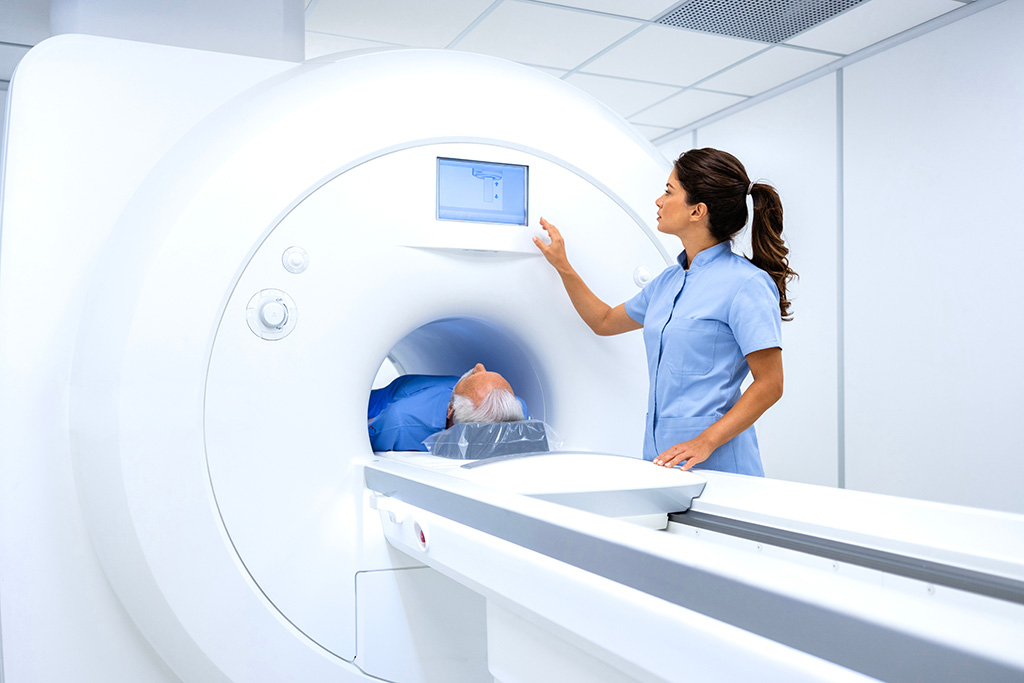
The CT scanner is shaped like a large ring, with a motorised table that moves through the centre of the machine.
During your appointment:
- You will lie comfortably on the scanning table
- You may be asked to hold your breath briefly for certain scans
- It is important to remain still while images are taken
- The scan itself typically takes only a few minutes
A qualified radiographer will operate the equipment and remain in contact with you throughout the procedure.
After the examination, the images are reviewed by a specialist radiologist, and a report is sent to your referring doctor.
What is contrast?
Some CT examinations require contrast material to enhance visibility of specific organs, blood vessels or tissues. Contrast may be administered as a drink, an intravenous injection, or both. It is not radioactive.
If intravenous contrast is required:
- A small cannula will be inserted into a vein, usually in your arm
- You may experience a temporary warm sensation or metallic taste
Reactions to contrast are uncommon, and serious reactions are rare. Prior to your scan, our staff will ask about allergies, medical history, kidney function and current medications to ensure the procedure is safe for you.
How should I prepare?
Preparation varies depending on the type of CT scan. Our team will provide specific instructions when your appointment is confirmed.
General preparation may include:
- Providing your referral before the appointment
- Completing a brief health questionnaire
- Fasting for several hours if required
- Removing jewellery or metallic items
- Wearing comfortable clothing
In some cases, recent blood test results may be needed to assess kidney function.
Please inform our team if you:
- Are pregnant or could be pregnant
- Have kidney disease, diabetes, thyroid conditions or allergies
- Are taking medications such as Metformin or blood thinners
Do I need an appointment?
Yes, all CT scans are performed by appointment. Bookings can be made by phone or by submitting your referral. Our reception staff will confirm availability and advise on preparation requirements.
What should I bring?
Please bring:
- Your doctor’s referral
- Medicare or DVA card (if applicable)
WorkCover or insurance details if relevant
What happens after the scan?
If intravenous contrast was administered, you may be asked to remain in the clinic briefly as a precaution. In most cases, you can return to normal activities shortly after your appointment.
What are the fees?
Most Medicare-eligible CT examinations are bulk billed. If any out-of-pocket expenses apply, our team will inform you prior to your scan.
When will my results be ready?
Reports are generally completed within 24–48 hours. If your referral is marked urgent, please notify our staff so your scan and report can be prioritised.